Why learn hardware design?
The industry is large, short of people and well paid, and you can start learning it in your browser today.
Every phone, car and data centre runs on chips.
Someone designs each one. The industry sold about $793 billion of chips in 2025, up 21% on the year, and it is short of people who can do the design.
The seven biggest chip companies by 2025 revenue
US$ billion, with growth on 2024
- Nvidia$125.7B, growth on 2024 +64%
- Samsung$72.5B, growth on 2024 +10%
- SK hynix$60.6B, growth on 2024 +37%
- Intel$47.9B, growth on 2024 -4%
- Micron$41.5B, growth on 2024 +50%
- Qualcomm$37.0B, growth on 2024 +12%
- Broadcom$34.3B, growth on 2024 +23%
Preliminary figures. Companies that design chips and companies that make them are counted together.
Source: Gartner, preliminary 2025 semiconductor revenue, January 2026.
And the UK is short of people who can design them.
- 10,000+
- more workers needed in the UK chip sector by 2030.
- 39%
- of the current UK chip workforce expected to retire within 15 years.
- 870
- graduates a year enter the sector, about 6% of those who finish a relevant degree.
Source: Department for Science, Innovation and Technology, UK Semiconductor Workforce Study, April 2025.
What the work pays.
These are published figures from real postings and official statistics, not a promise of what you will earn. Pay depends on the company, the country and your experience.
£47,000
Starting salary for a graduate hardware design engineer at Arm in Cambridge, at Bachelor level. £48,000 at Master level.
Source: Arm, graduate hardware design listing on TARGETjobs, closed 11 June 2026.
$116,000+
Base pay at the lower of two levels in NVIDIA’s 2026 new graduate chip design listing, which runs to $189,750, with equity on top.
Source: NVIDIA, new college grad ASIC listing, closed.
$161,740
Median yearly pay for computer hardware engineers in the United States in May 2025. The lowest tenth earned under $92,940.
Source: US Bureau of Labor Statistics, Occupational Outlook Handbook, computer hardware engineers.
Both postings have closed. They show what these employers offered for the 2026 intake.
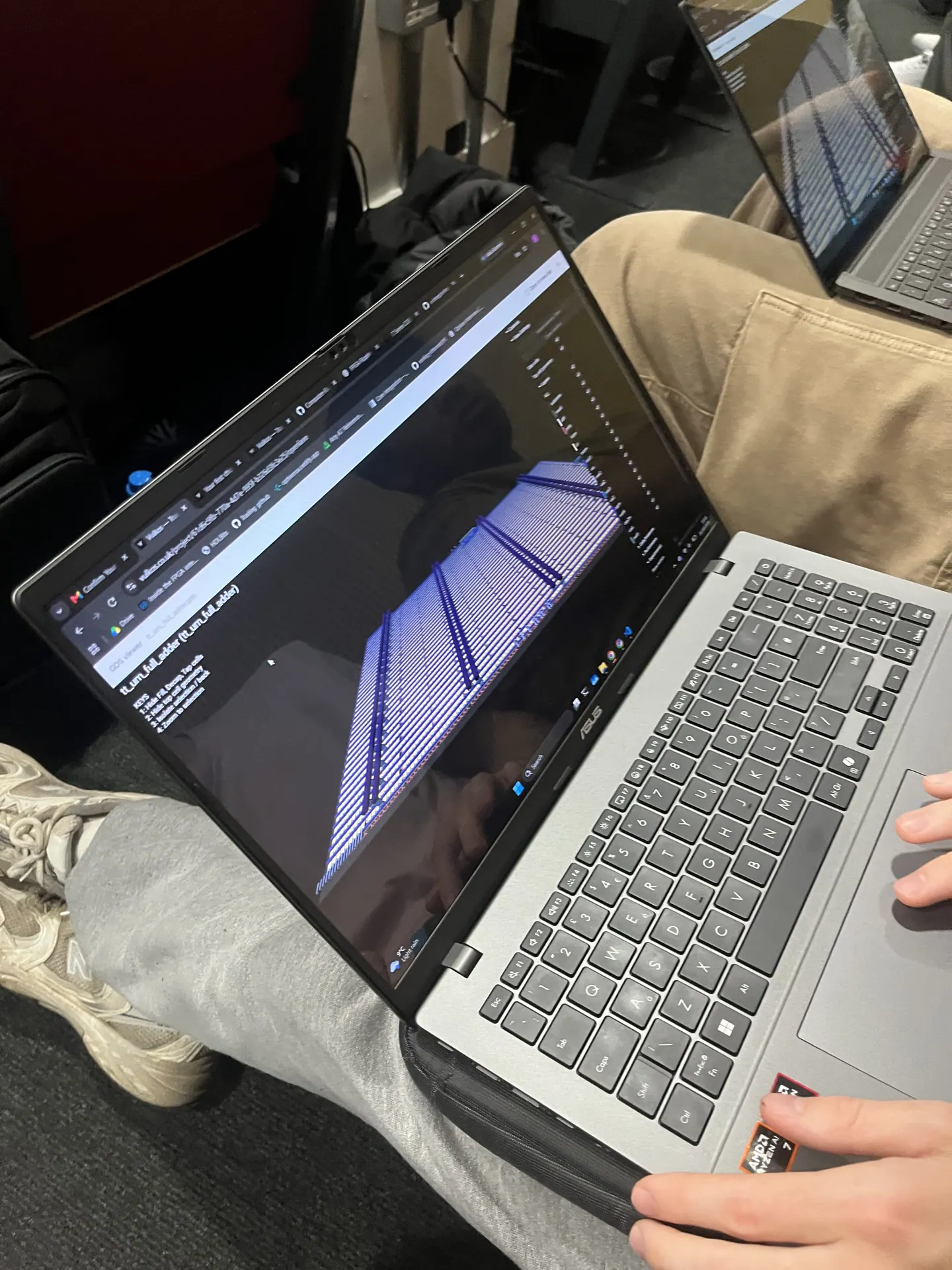
Build the skills those roles ask for.
We cannot promise anyone a job. What Vulkos does is get you to the point where you have designed, simulated and laid out a real chip, and have something to show for it.
Learn the ideas
Short lessons teach one idea, then ask you to use it. A check at every step tells you straight away whether it stuck.
Build real designs
Write Verilog in your browser, simulate it, and see it drawn as gates.
Take it to a chip layout
Run synthesis and layout on open-source tools and watch your design become a finished chip.
Show what you made
A finished run reports timing, power and signoff, and gives you a certificate you can share.
Get started for free today.
Make an account and start your first lesson in a few minutes.